
What is Grain Moisture Content?
Grain Moisture Content is one of the most critical factors in post-harvest management. Whether you are a farmer, a rice mill operator, or a food scientist, understanding the definition and measurement methods of moisture content is key to preserving the quality and market value of your crops.
1. Definition of Grain Moisture Content Percentage
Moisture Content (MC) refers to the amount of water present inside the grain, expressed as a percentage of the grain’s total weight. This moisture is not just located on the surface but is embedded deep within the cellular structure of the grain.
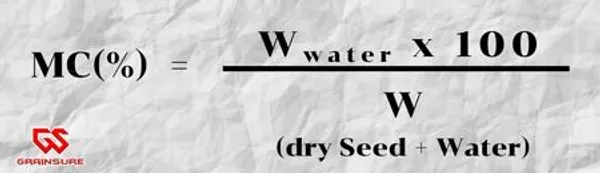
In the agricultural industry, moisture content is commonly defined on a Wet Basis (WB), which is calculated using the following formula:
💡 Practical Calculation Example
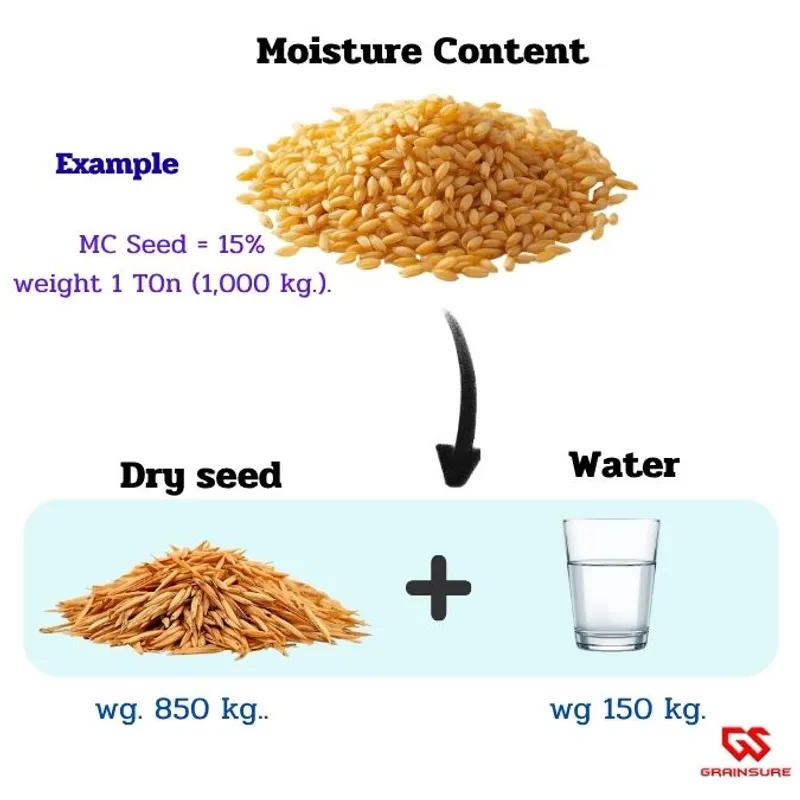
If you have 1 ton (1,000 kg) of grain with a measured moisture content of 15%, its components can be broken down as follows:
- Water content: 150 kg
- Dry matter content: 850 kg
2. Why is Moisture Content Important?
Moisture content dictates the post-harvest “fate” of agricultural grain in several dimensions:
- Spoilage and Mold Growth: Grains with high moisture content (exceeding 14-15%) serve as an ideal breeding ground for molds, particularly strains that produce the hazardous toxin aflatoxin.
- Grain Respiration: Grains are living organisms. High moisture content triggers rapid grain “respiration,” generating internal heat within the storage pile and leading to accelerated quality degradation.
- Weight and Market Price: Grain trading relies strictly on standardized moisture levels (e.g., 15% for paddy rice). If the moisture content exceeds the limit, weight deductions or price penalties are applied.
3. Types of Moisture Measurement Methods
Moisture content can be measured using various techniques, categorized into two primary methods:
3.1 Direct Method
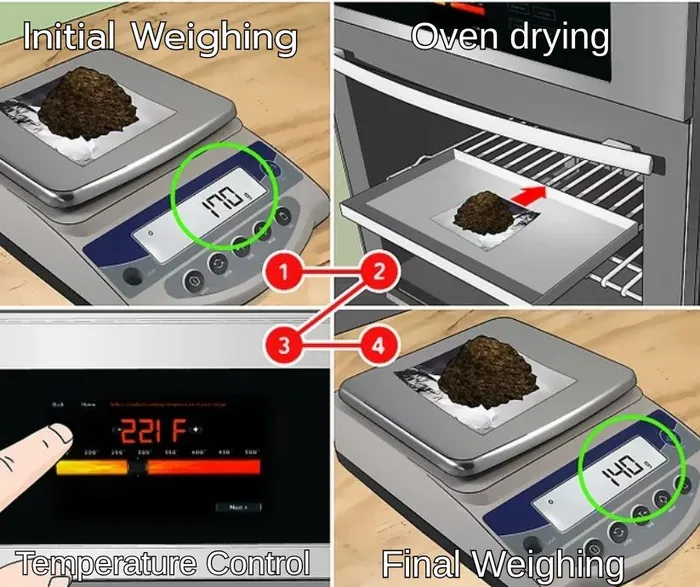
This involves completely evaporating the moisture from the grain and weighing the lost water mass, such as the Oven Method. It is considered the most accurate and definitive method available.
3.2 Indirect Method
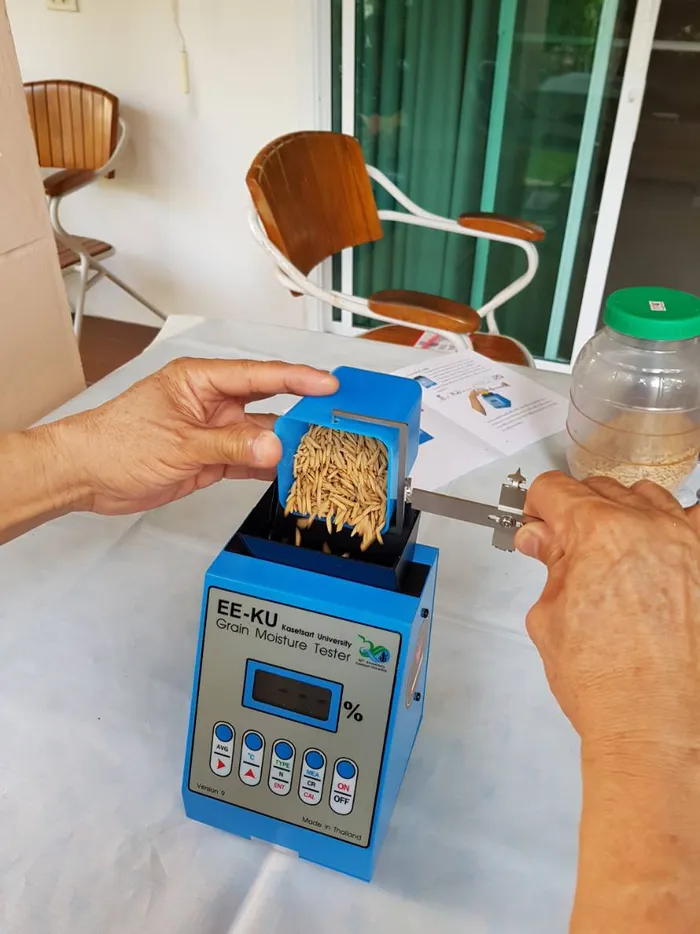
This method measures the electrical properties of the grain and translates them into a moisture content percentage. It is fast and instant, making it ideal for grain purchasing centers, trading floors, or storage facilities.
4. Optimal Moisture Levels for Safe Storage
The safe moisture content levels required to preserve different crop types are as follows:
- Paddy Rice: Should be maintained at 13% - 14%
- Maize/Corn: Should be maintained at 12% - 13%
- Soybeans: Should be maintained at 11% - 12%
5. Free Recommended Tools
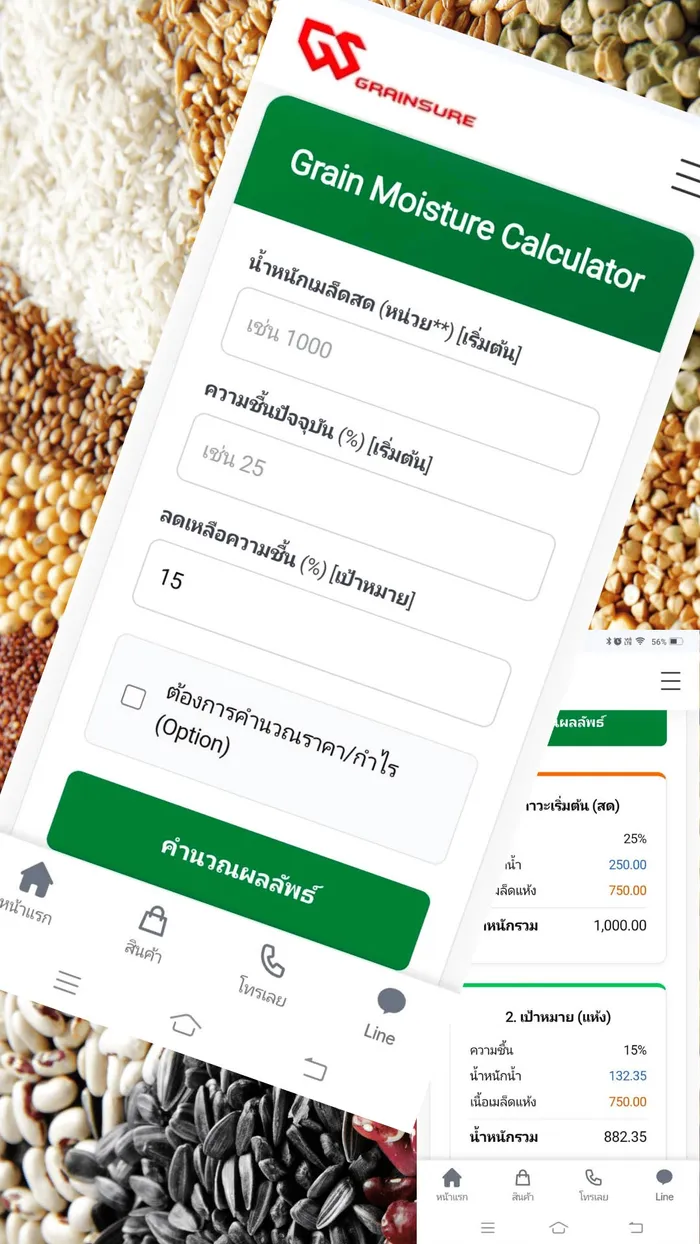
- A specialized calculator designed to determine the theoretical water content in grains as discussed in this article. Additionally, it can calculate weight loss after moisture reduction and evaluate the cost-effectiveness and break-even point of crop moisture management.
Conclusion
Understanding moisture content percentage goes beyond mere numbers; it is about managing the “stability” of your agricultural yield. Reducing moisture to an optimal level extends shelf life, prevents post-harvest loss, and guarantees premium quality before reaching the consumers.
Looking for an Accurate Moisture Meter?
Control Your Crop Quality with Precision Moisture Standards
Ensure absolute certainty across your quality control workflows with the Grainsure moisture meter—engineered and optimized specifically for corn and maize applications.