
Working Principle of Capacitive Grain Moisture Meters
How Does the Grain Moisture Meter You Use Daily Actually Work?
This article summarizes the fundamental working principle to help you understand how this instrument converts electrical properties into a readable moisture percentage.
1. Moisture Meters… Do Not Measure “Water” Directly
Did you know that most moisture meters do not measure the actual volume of water directly? Instead, they measure an electrical property called “Capacitance”, which is directly related to the dielectric constant of the grain sample.
- Properties of Water: Water is an electrical insulator, but it possesses a very high “dielectric constant” (around 80) compared to other components in the grain.
- Properties of Dry Matter: Starch, protein, and fiber in dry grains have a very low dielectric constant (around 3 to 5).
- The Relationship: When grain has higher moisture content, its overall dielectric constant increases significantly. The moisture meter utilizes this change to calculate the moisture value.
2. The Conversion Process: From Electrical Value to Moisture Percentage
When you pour grain into the measuring cup of a capacitive moisture meter, the internal mechanism follows these steps:
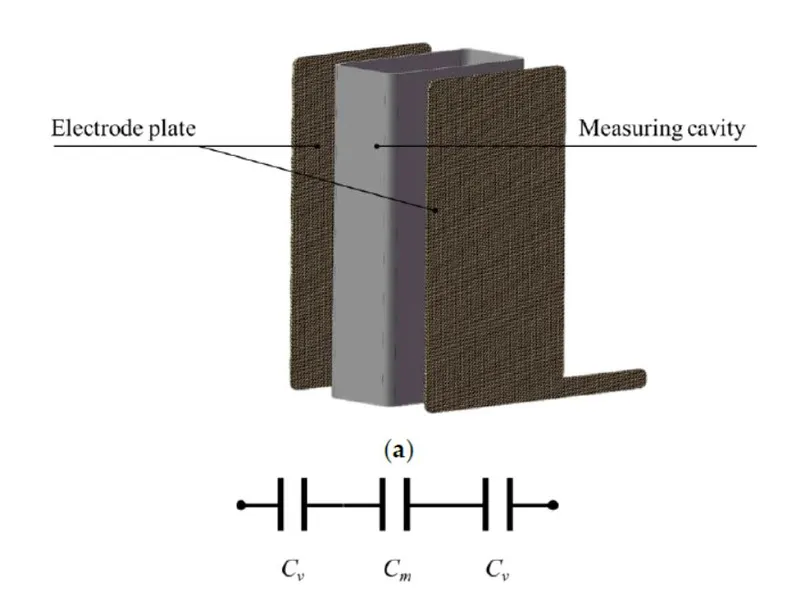
- Acts as a Capacitor: The measuring cup features metallic surfaces that act as plates of a capacitor, with the grain sample serving as the dielectric material between them.
- High-Frequency Wave Transmission: The meter transmits a high-frequency radio signal or electrical current through the grain sample.
- Capacitance Measurement: The instrument senses how much electrical charge the grain sample can store (Capacitance).
- Data Conversion: The microcontroller inside the device converts the measured capacitance value into a moisture content percentage and displays it on the screen.
3. The Crucial Step: How Does the Machine Know Which Value is “Accurate”?
For a moisture meter to display correct results, it must undergo a process called “Calibration” against an official reference standard method.
- Air-Oven Reference Method: This is the universal primary standard method used to establish baseline reference values.
- The Oven Standard Procedure: Grain samples are weighed before and after being dried in a precision oven to calculate the exact percentage of weight lost as moisture.
- Standardization: Manufacturers collect extensive data from a wide variety of crop samples—across different geographical regions and harvest years—to plot a highly accurate Calibration Curve programmed into the device.
Summary: The accuracy of a moisture meter heavily relies on robust calibration. If the grain sample being tested differs significantly from the crop varieties used to build the calibration curve (such as a newly developed hybrid variety or vastly different growing environments), the readings may exhibit slight deviations.
Looking for an Accurate Capacitive Moisture Meter?
Capacitive Moisture Meters with Precision Standards
Ensure absolute certainty across your quality control workflows with Grainsure moisture meters—engineered and optimized specifically for agricultural applications.